Choosing exterior paint colors is one of the most noticeable decisions homeowners make when updating their property. The right combination can complement your home's architectural style, coordinate with the surrounding landscape, and create a welcoming first impression.
For homeowners planning exterior painting in Roanoke, VA, the decision involves more than choosing a favorite color. Roof shingles, brickwork, stone accents, landscaping, natural light, and neighboring homes can all influence how a color looks once it covers the exterior.
Gene West Painting Company helps homeowners refresh their properties with professional painting services. Before starting your next exterior painting project, consider these practical tips for selecting colors that suit your home and its surroundings.
1. Start With Your Home's Architectural Style
Your home's architectural style can provide a useful starting point for choosing exterior paint colors.
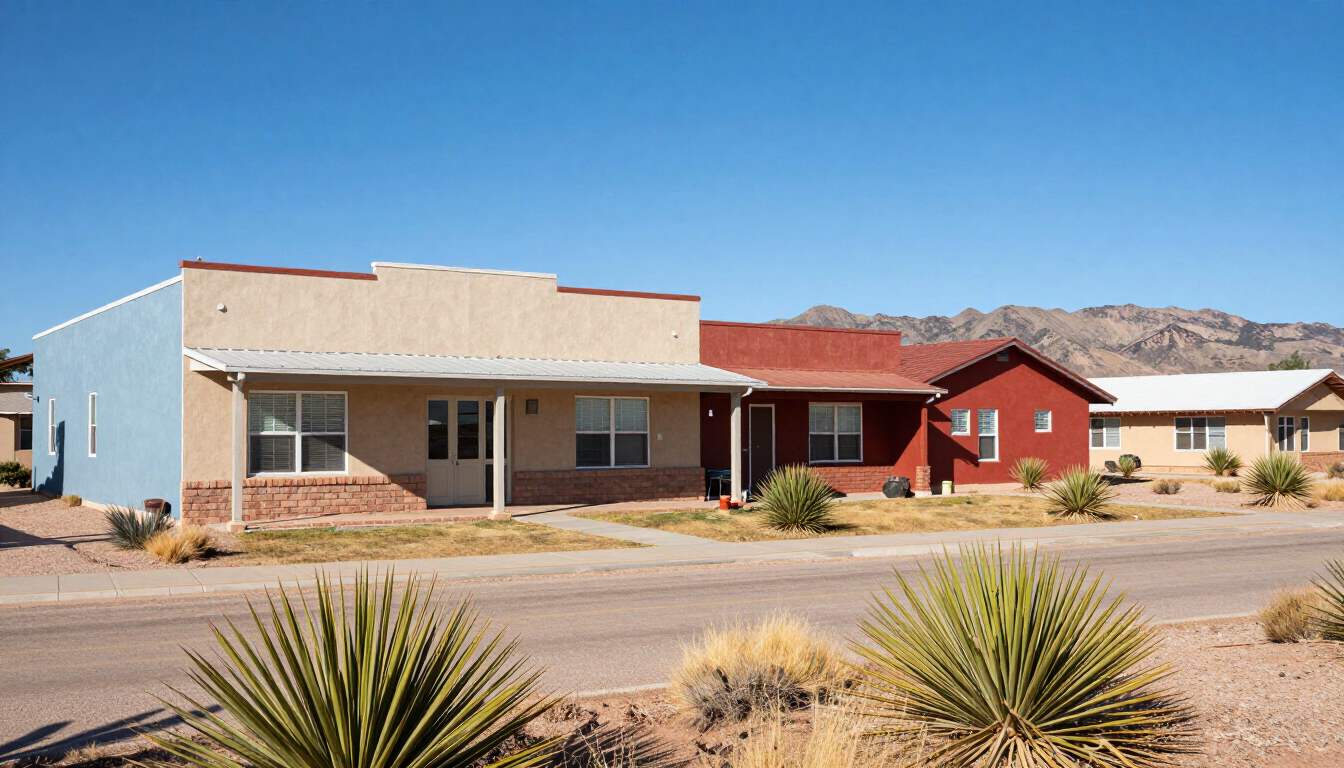
Traditional homes, contemporary properties, cottages, and farmhouse-style houses may each work well with different color combinations. The goal is not to follow a strict rule but to select colors that complement the home's existing features.
For example:
- Traditional homes: Warm whites, muted grays, classic blues, and understated neutral combinations can complement traditional architectural details.
- Farmhouse-style homes: Soft white, charcoal, muted green, and natural wood tones can create a balanced appearance.
- Contemporary homes: Neutral palettes, deeper accent colors, and clean contrasts may complement simple architectural lines.
- Brick or stone homes: Coordinating painted trim with the existing masonry can help create a cohesive appearance.
Consider the permanent features of your home before selecting a main color. If the roof, stonework, or brick will remain unchanged, choose paint colors that work with those elements.
A coordinated palette can make the finished exterior look intentional rather than making the paint color compete with the home's existing materials.
2. Consider the Existing Roof, Brick, and Stone
Many exterior features are expensive or impractical to change simply to accommodate a new paint color. These elements should be part of your decision from the beginning.
Start by identifying the undertones in your home's fixed materials.
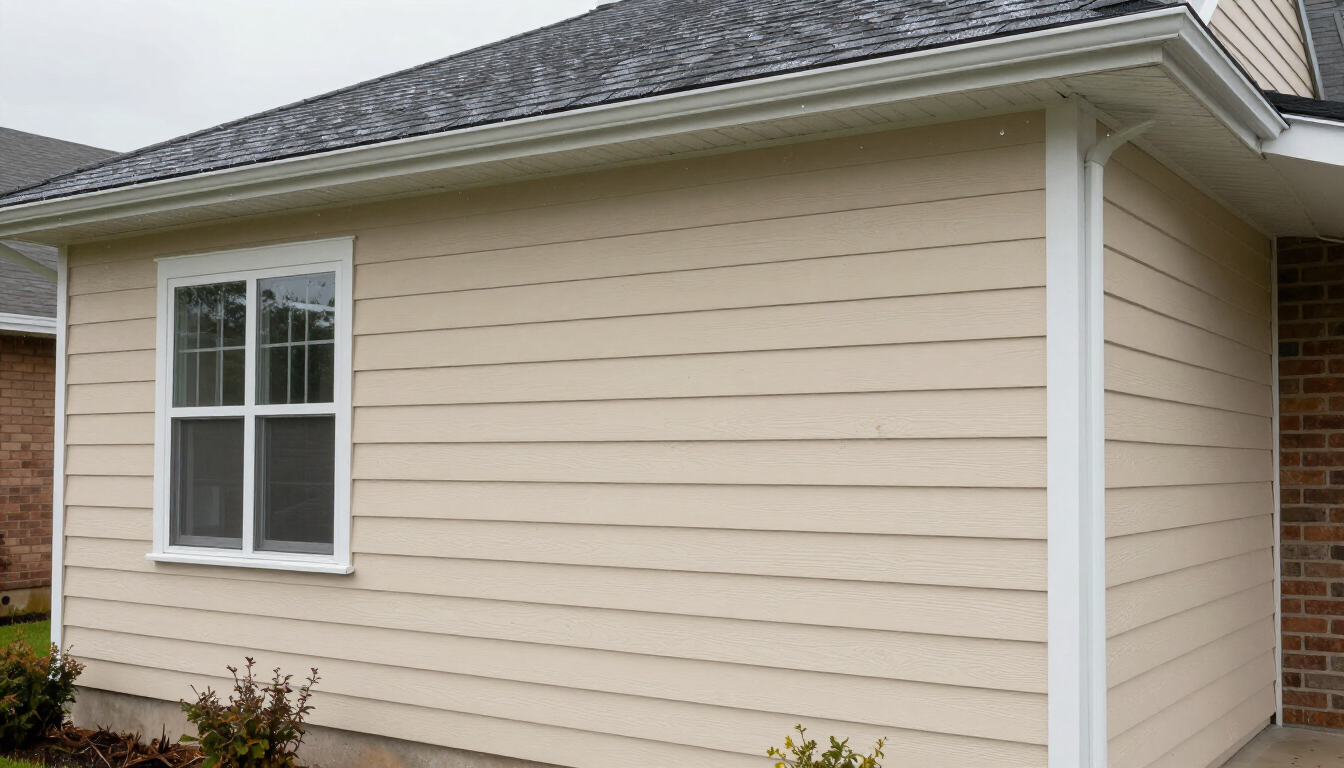
A roof with warm brown tones may coordinate well with creamy whites, warm grays, or earthy neutrals. A dark gray roof may pair well with cooler grays, white, muted blue, or certain greens.
Brick and stone can contain several colors within the same surface. Look closely at the dominant tones rather than choosing paint based on just one small detail.
Ask yourself:
- Does the roof have warm or cool undertones?
- Are the brick or stone accents predominantly red, brown, gray, or beige?
- Will the proposed trim color complement the existing materials?
- Are there architectural features that should stand out?
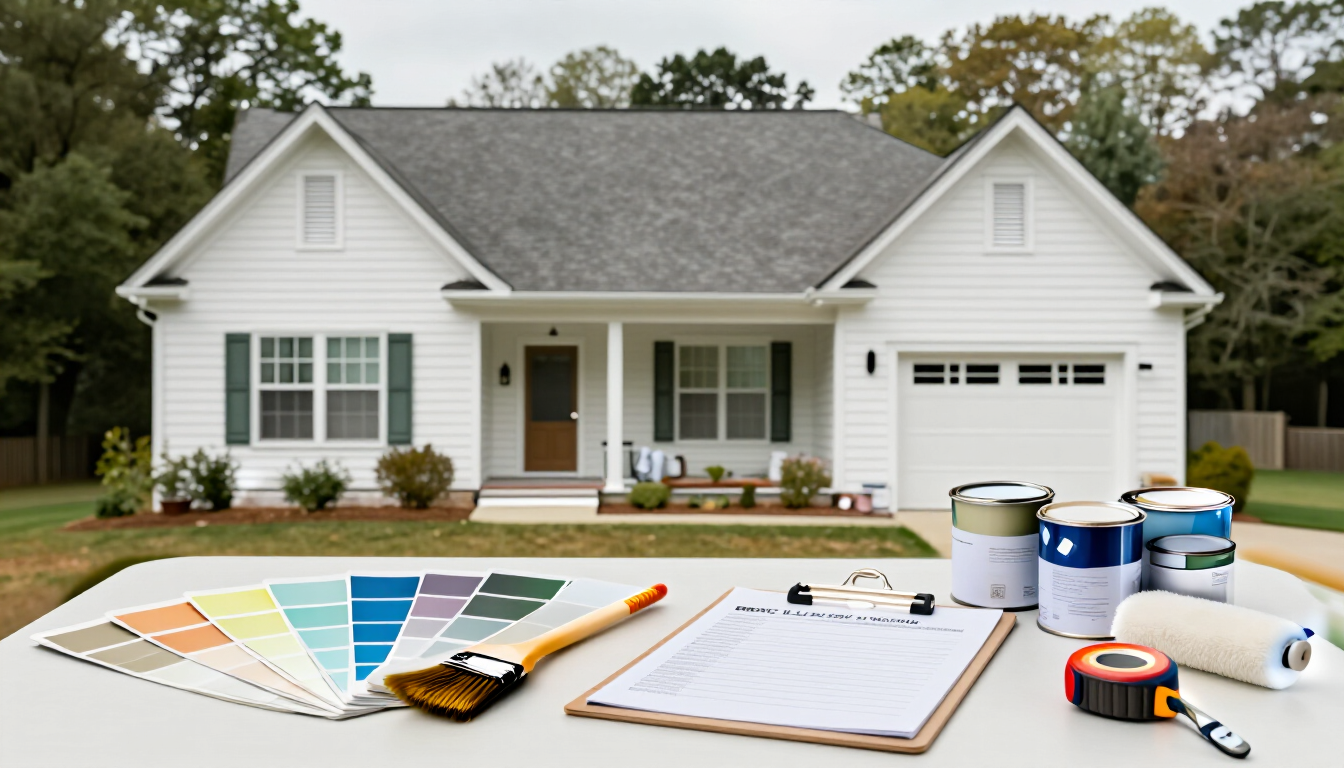
Testing paint samples near the existing materials can help you compare the colors before committing to a complete exterior repaint.
3. Choose a Main Color, Trim Color, and Accent Color
An exterior color scheme usually works best when each color has a clear purpose.
A simple approach is to choose a main body color, a complementary trim color, and an optional accent color for selected details.
Main body color: This covers the largest painted areas and has the greatest influence on the home's overall appearance.
Trim color: This can define window frames, fascia, corner boards, and other architectural details, depending on the home's design.
Accent color: This can highlight a front door, shutters, or selected features without overwhelming the rest of the exterior.
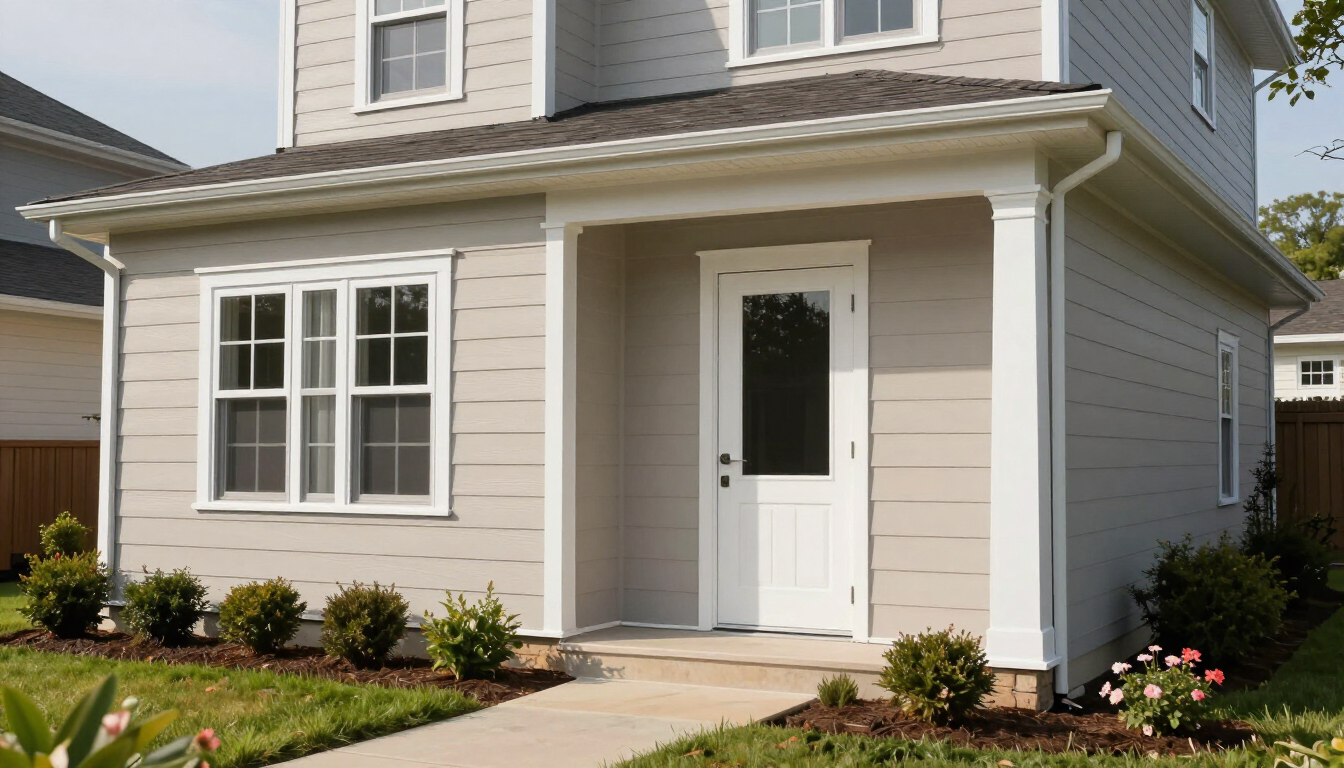
For example, a home with a light gray body, white trim, and a muted navy front door can have a clean, classic appearance. A warm off-white exterior with darker trim and a natural wood accent may create a different but equally coordinated look.
You don't need to use three contrasting colors. A two-color palette can be effective, particularly when the architecture is simple or the existing materials already provide visual interest.
The important thing is to establish a clear relationship between the colors and use them consistently.
4. Pay Attention to Natural Light
Exterior paint colors can look significantly different outdoors than they do on a paint sample or computer screen.
Natural light, surrounding trees, nearby buildings, and the direction a wall faces can influence how a color appears. A shade that looks soft indoors may seem brighter or more intense on a large exterior surface.
Roanoke homeowners should evaluate paint samples in the actual outdoor environment where they will be used.
For a more reliable comparison:
- Narrow your options to two or three colors.
- Apply samples to an inconspicuous exterior area or suitable sample boards.
- Observe them in morning and afternoon light.
- Compare them against the roof, masonry, and trim.
- Review the samples from the street and other typical viewing angles.
It's also worth looking at the colors under different weather conditions when possible.
Taking time to test samples can help you avoid choosing a shade that looks very different once the entire home has been painted.
5. Think About Your Surrounding Landscape
Your home's exterior does not exist in isolation. Trees, gardens, lawns, stone paths, and neighboring properties all contribute to its visual setting.
A color that looks attractive on its own may feel disconnected from the surrounding landscape if its undertones clash with nearby materials.
Homes surrounded by mature trees and greenery may work well with earthy neutrals, muted greens, warm whites, or certain blue-gray shades.
Properties with limited landscaping may benefit from a palette that adds more warmth or visual definition.
Consider how your exterior colors will look throughout the year. Deciduous trees, seasonal flowers, and changing sunlight can alter the overall appearance of the property.
You should also consider the visual relationship with nearby homes without feeling obligated to copy their color schemes.
The goal is to choose colors that suit your property while creating a cohesive appearance with the surrounding environment.
6. Select Colors That Suit the Features You Want to Highlight
Exterior paint can help emphasize certain architectural details or create a more unified appearance across the home.
Before selecting colors, decide which features you want to draw attention to.
You might want to highlight decorative trim, a front entry, shutters, porch details, or other distinctive elements. Alternatively, you may prefer a more understated look in which the main color and trim blend together.
A darker front door can create a focal point against a lighter exterior. Contrasting trim can define window shapes, while a more restrained palette can make a complex exterior feel less visually busy.
Consider the home's proportions and architectural details when deciding where to introduce contrast.
Using too many colors can make the exterior feel fragmented, especially when the home already contains several materials or decorative elements.
A focused palette often creates a more balanced result.
7. Don't Choose Exterior Paint Based on Color Alone
The appearance of the paint is important, but the product itself also matters.
Exterior coatings are designed for outdoor exposure, and the appropriate product depends on the surface being painted, its current condition, and the manufacturer's recommendations.
Before painting, consider whether the exterior has peeling paint, exposed wood, damaged caulking, chalking, or other surface issues that need attention.
Different materials may require different preparation methods and primers. Wood siding, previously painted surfaces, and other exterior materials should be evaluated before the coating is selected.
The paint finish can also affect the final appearance. Different sheen levels may change how light reflects from the surface and how visible certain imperfections become.
Choosing a suitable exterior paint system and preparing the surface correctly are essential parts of achieving a consistent finish.
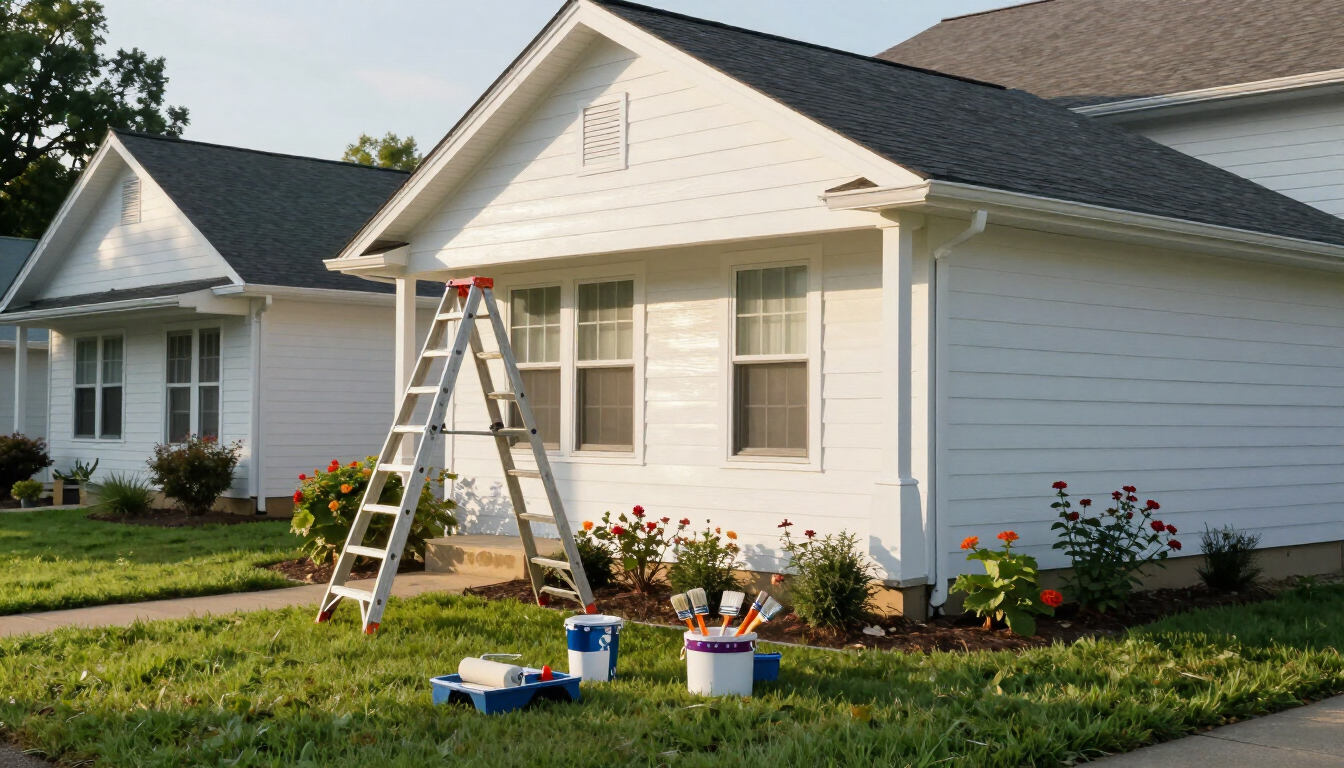
8. Plan the Project Before the Painting Begins
A successful exterior painting project starts with more than a color decision.
Planning ahead allows you to coordinate color selection, surface preparation, repairs, and the timing of the work.
Before starting, consider:
- Which exterior surfaces will be painted?
- Will trim, shutters, doors, or other details receive different colors?
- Are there areas that need scraping, sanding, repairs, or priming?
- Do nearby landscaping and outdoor fixtures need protection?
- Are weather conditions suitable for the selected paint product?
- Is the project scope clearly defined?
Exterior painting depends on suitable conditions for surface preparation and paint application. Temperature, humidity, moisture, and the manufacturer's application guidelines can affect when work should take place.
Working with a professional painting company can help homeowners understand the preparation and scheduling considerations involved in their project.
Refresh Your Home With Exterior Painting in Roanoke, VA
Choosing exterior paint colors is an opportunity to improve your home's appearance while complementing its architecture, fixed materials, and surrounding landscape.
By evaluating your roof and masonry, testing colors outdoors, coordinating the body and trim, and selecting appropriate exterior paint products, you can make a more informed decision before the project begins.
Gene West Painting Company provides painting services for homeowners looking to update and maintain their properties in Roanoke, VA.
Planning to repaint your home's exterior? Contact Gene West Painting Company to discuss your painting goals and explore the options for refreshing your home's exterior.